
What should a food scanner app show?
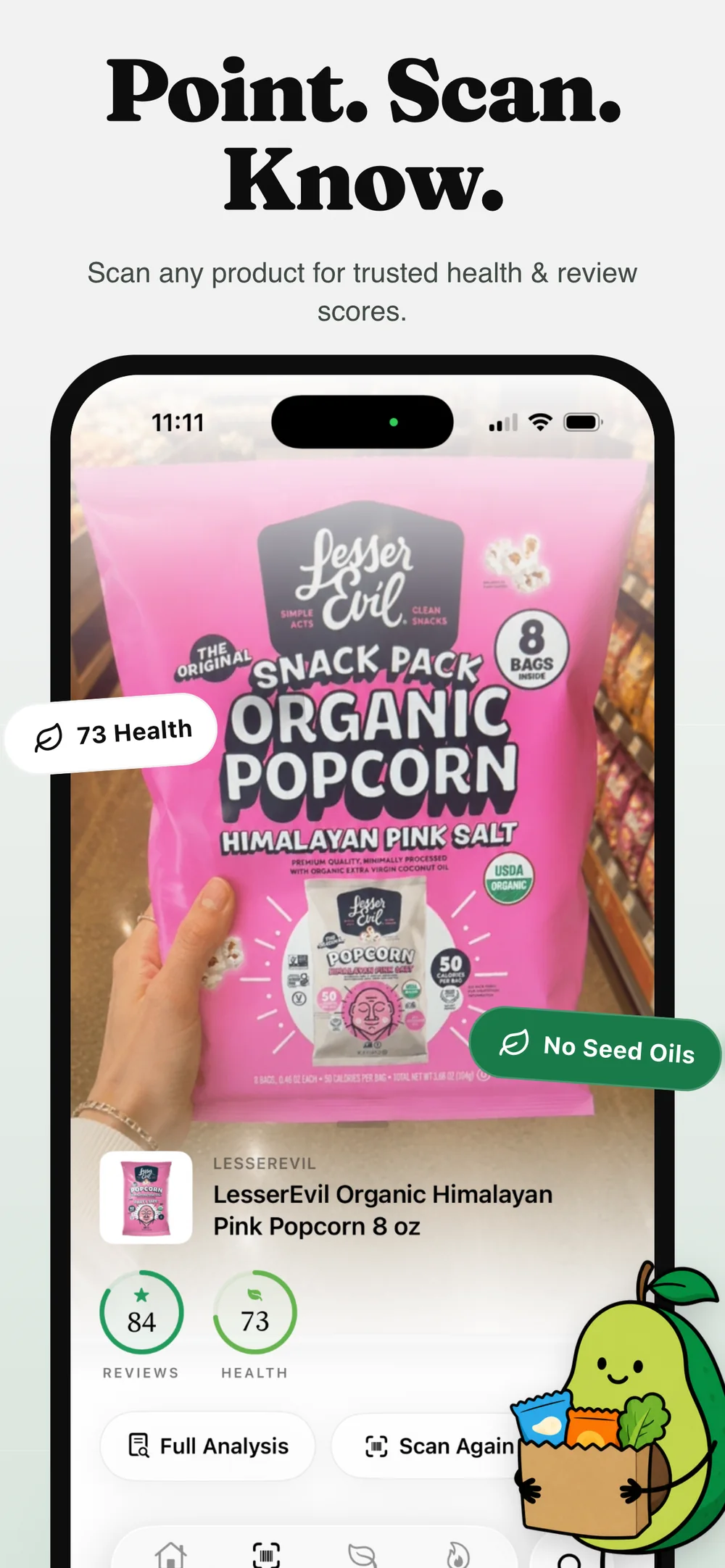
At minimum: product identity, ingredients, available nutrition facts, the reason behind any score, evidence status, and comparable products.

Scanner guide
The best scanner is not the one with the loudest score. It is the one that explains its evidence, handles missing products responsibly, and helps you compare the shelf without pretending every shopper has the same priorities.
Bottom line
At a glance
Specific differences, without pretending one app fits every shopper.
A responsible scanner should not manufacture a score for an incomplete label.
A number is useful only when the shopper can inspect why it moved.
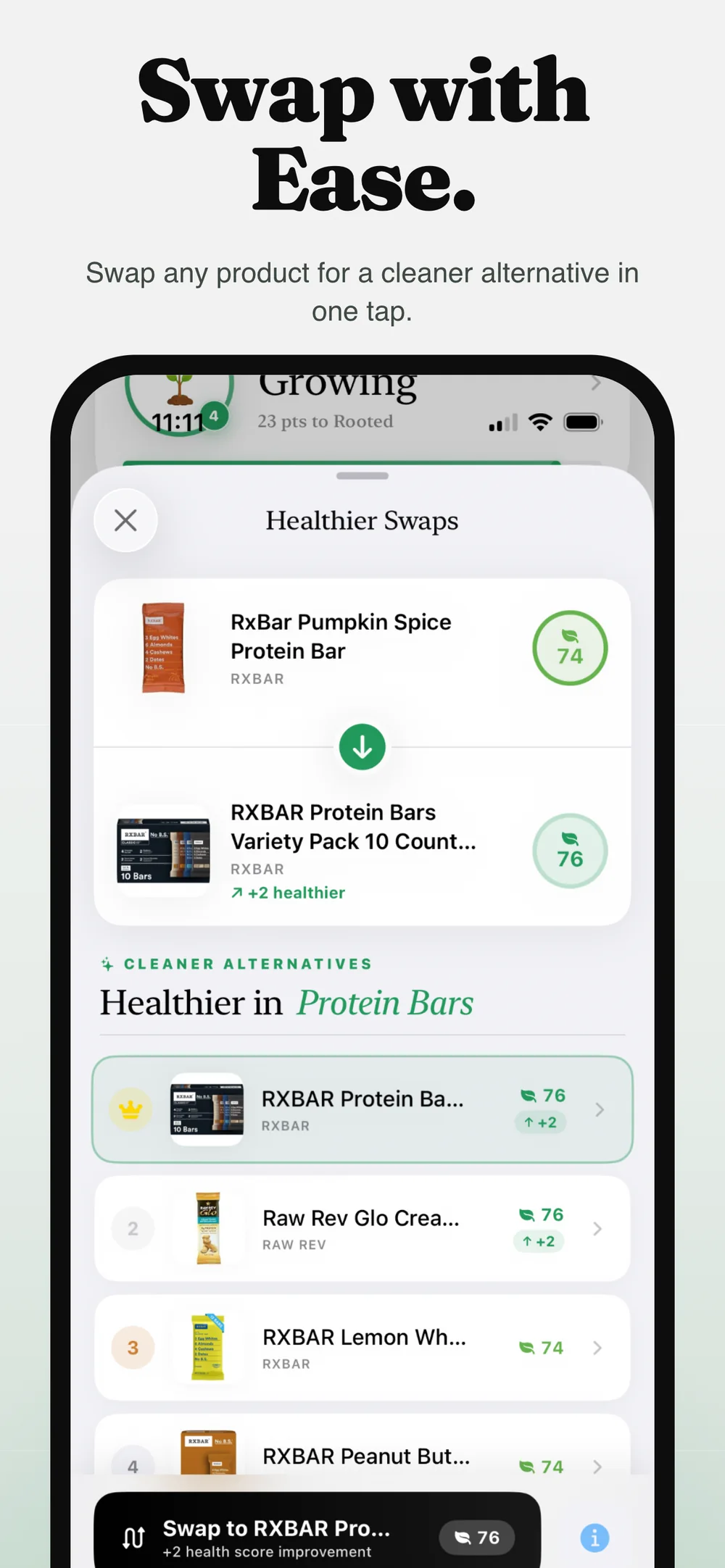
The useful question is often “compared with what?”
Repeated shopping should become faster over time.
Scan one simple product, one long ingredient list, and one product that is new or regional. Check whether the app shows sources, explains uncertainty, and avoids presenting incomplete data as certainty.
A useful food scanner should let you inspect ingredients and nutrition while preserving context. Serving size, category, formulation, and your own needs matter. The FDA explicitly notes that serving size reflects typical consumption, not a recommendation.
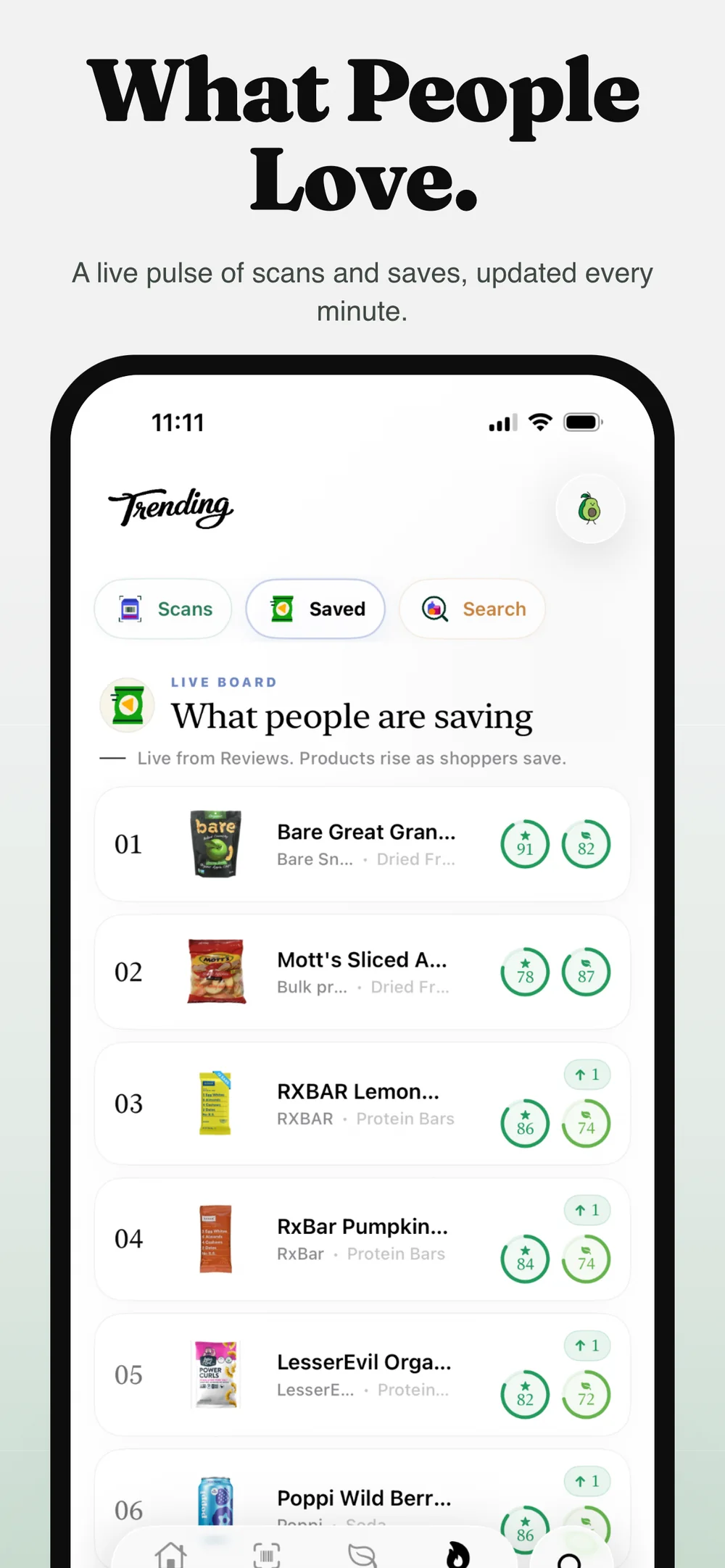
Search, saved items, history, category rankings, and alternatives turn a novelty scan into a repeatable shopping tool. Reviews is designed around that complete loop.
Questions
At minimum: product identity, ingredients, available nutrition facts, the reason behind any score, evidence status, and comparable products.
No app can replace individualized medical or dietary advice. A scanner can organize label evidence and comparisons so your decision is faster and better informed.
Reviews holds the score back instead of displaying a confident answer from insufficient ingredient or nutrition evidence.
Sources
Available now
Scan the barcode, inspect both scores, and compare the shelf before it hits your cart.