What barcode types does a food scanner use?
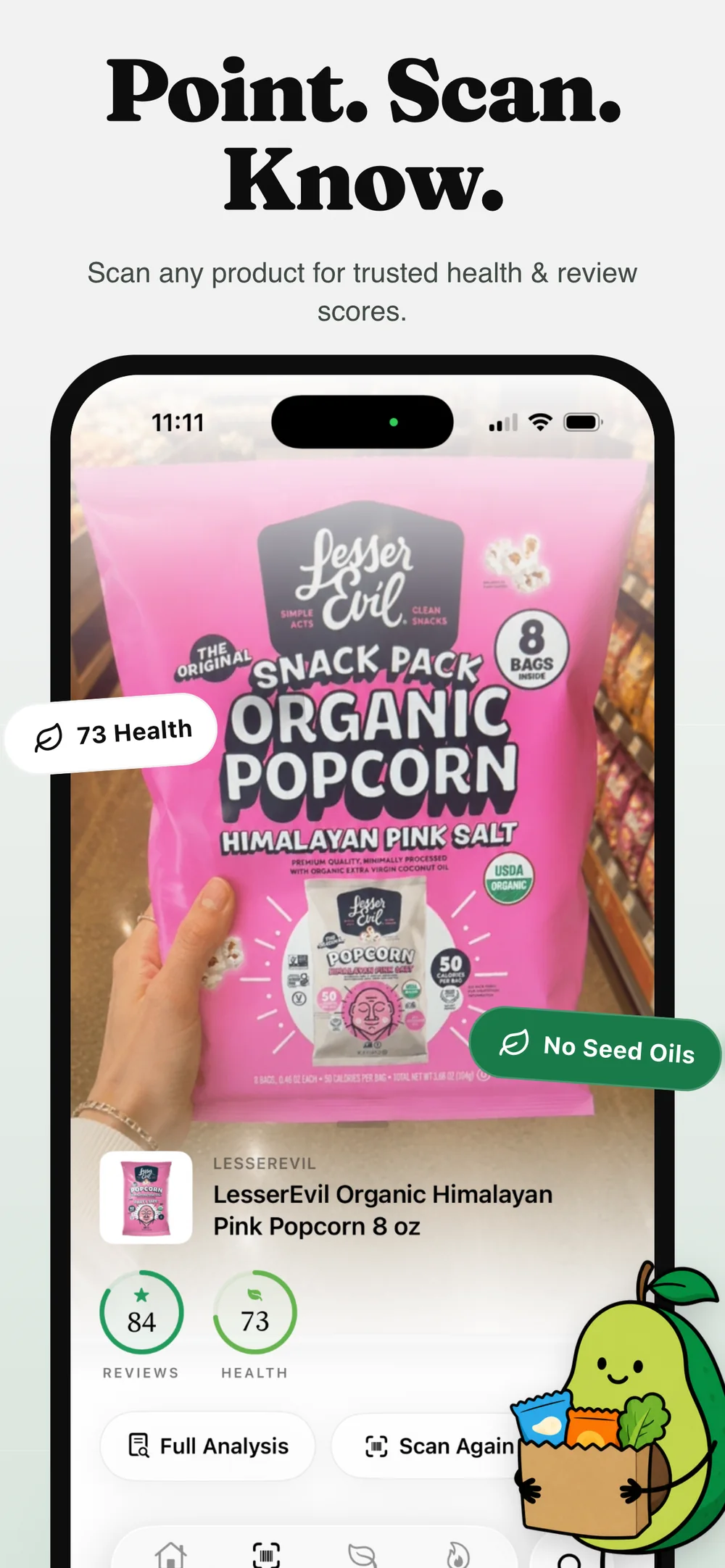
Packaged grocery products commonly use UPC-A, EAN-13, EAN-8, or GTIN-14 identifiers. The app uses the identifier to find the matching product record.

Barcode guide
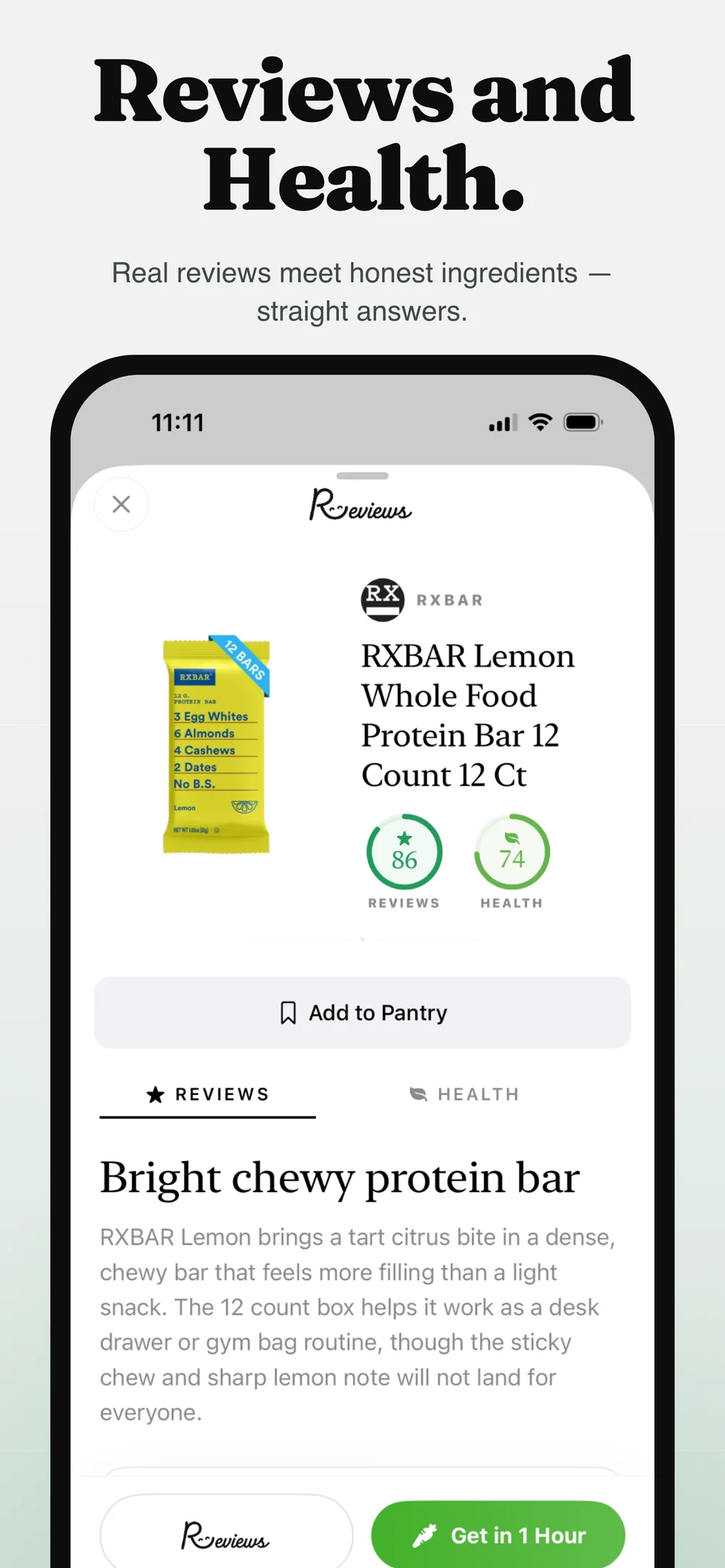
A UPC identifies the record; it does not prove the record is complete. Reviews checks whether the product has enough reliable label evidence before showing both scores to shoppers.
Bottom line
At a glance
Specific differences, without pretending one app fits every shopper.
Identity is the first step, not the final quality check.
Incomplete records are held back.
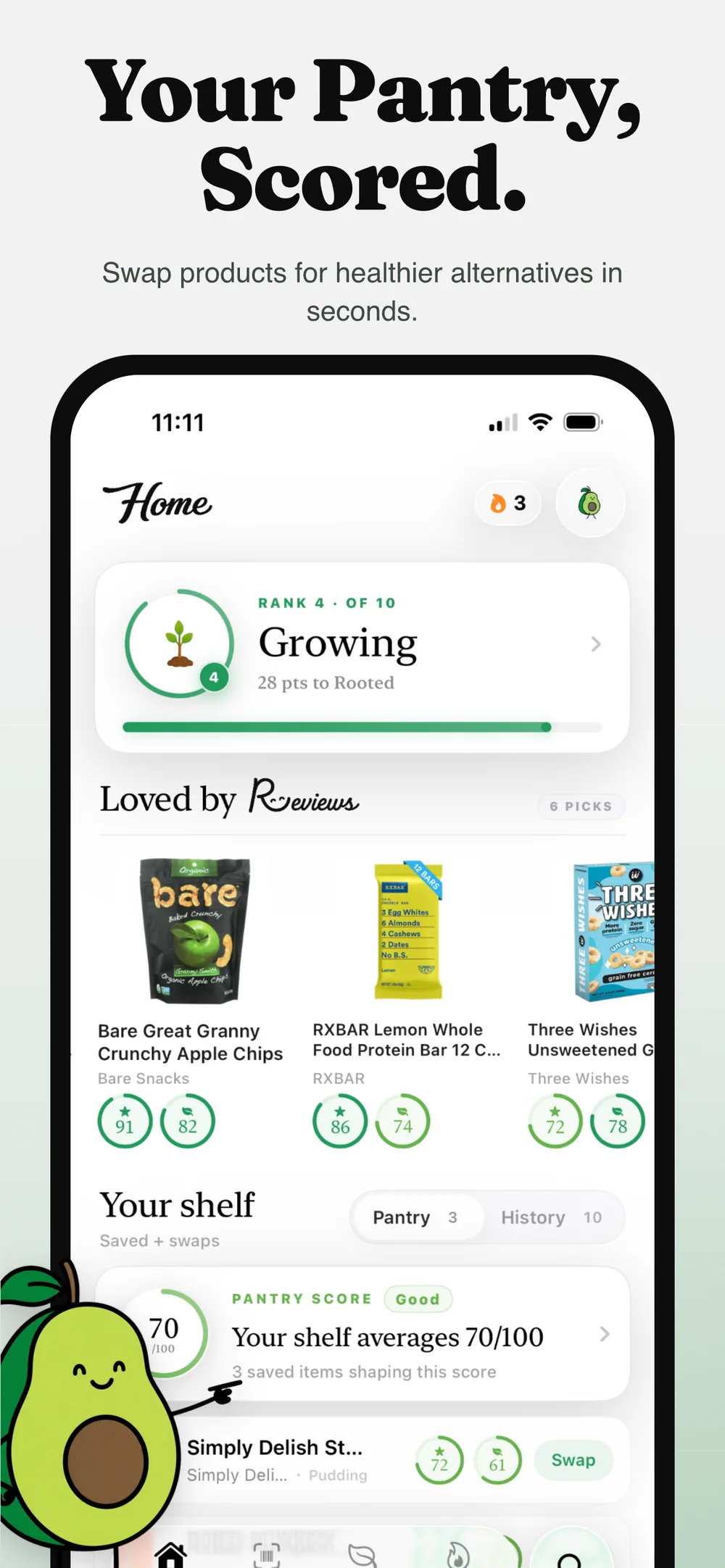
The scan becomes part of a reusable shopping memory.
The UPC helps retrieve the correct product. Reviews still checks names, images, scores, ingredient evidence, nutrition evidence, and category context before a record can enter public rankings.
When a newly scanned item is still being verified, the right interface is a clear pending or held-back state. A fabricated score is worse than a short wait.
Reviews also supports product and brand search, and the website search is delivered from static CDN files rather than live database reads.
Questions
Packaged grocery products commonly use UPC-A, EAN-13, EAN-8, or GTIN-14 identifiers. The app uses the identifier to find the matching product record.
The product can be new, regional, reformulated, or missing reliable ingredient or nutrition data. Reviews holds back when it cannot verify enough evidence.
Yes. Reviews supports product search, and ranked category pages help when you want to browse before entering the store.
Sources
Available now
Scan the barcode, inspect both scores, and compare the shelf before it hits your cart.